Insight
In feature-heavy companion apps, usability breaks down less from lack of functionality and more from poor information architecture. A clear, system-level categorization can reduce cognitive load, support future expansion, and create a shared design foundation across products and brands.
Solution
Modular Dashboard Structure
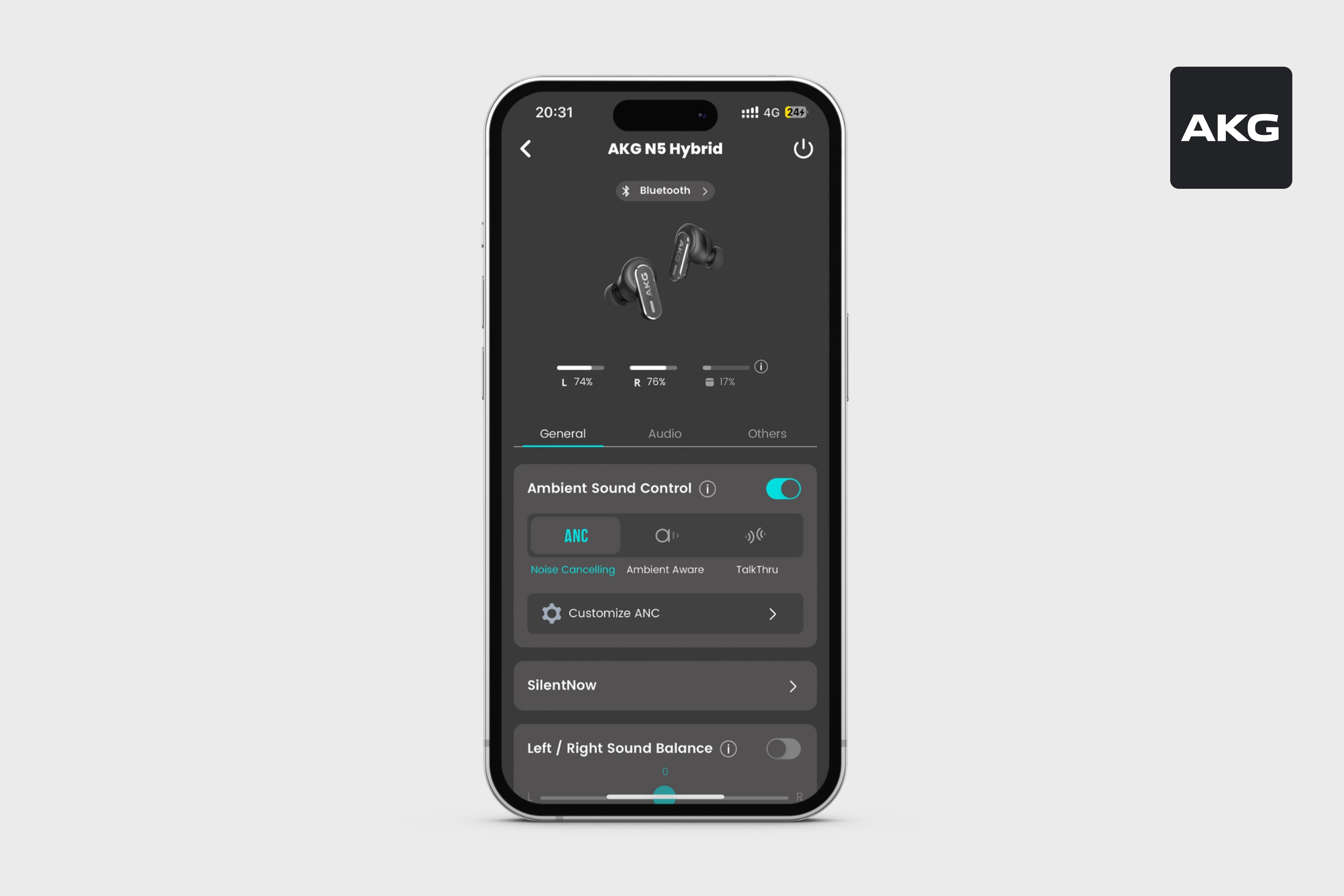
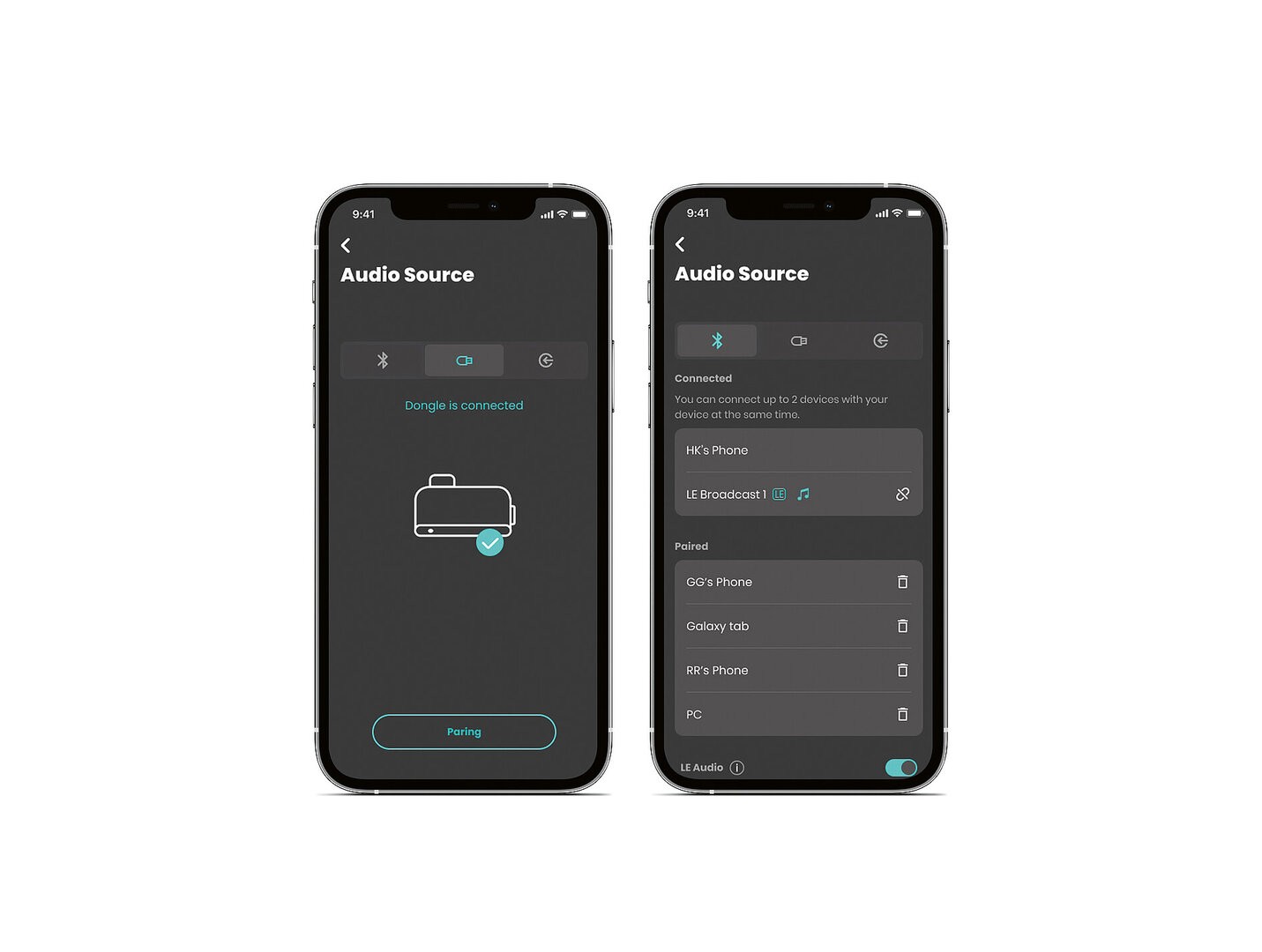
The dashboard was reorganized into three clear sections: General, Audio, and Others. This grouping reflects users’ mental models about device state and connectivity, sound-related controls, and secondary or system-level features.
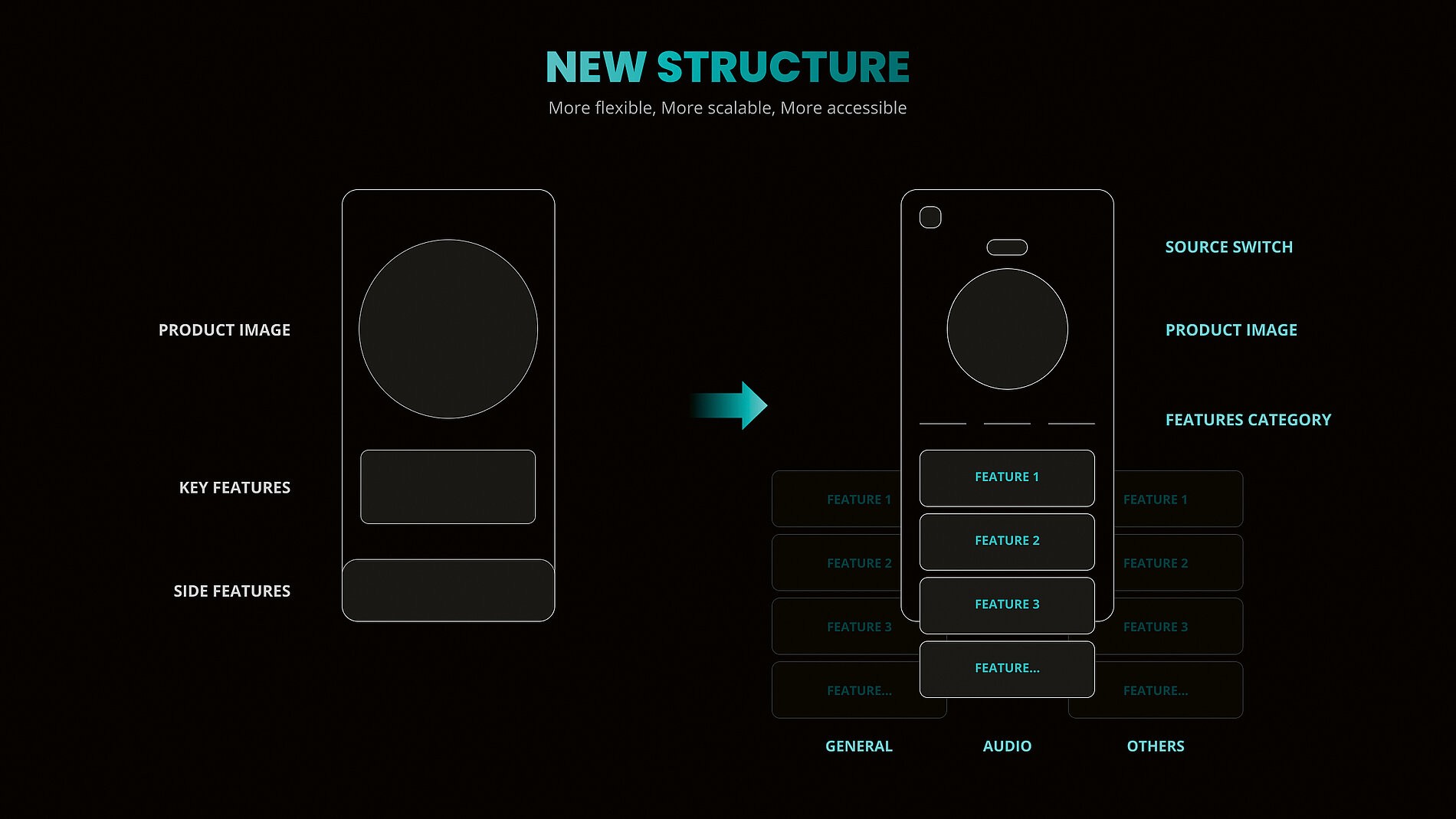
Scalable Information Architecture
Features are grouped by functional intent rather than feature priority, allowing new capabilities to be introduced without increasing visual or cognitive complexity.
Module Logic & Dependency Design
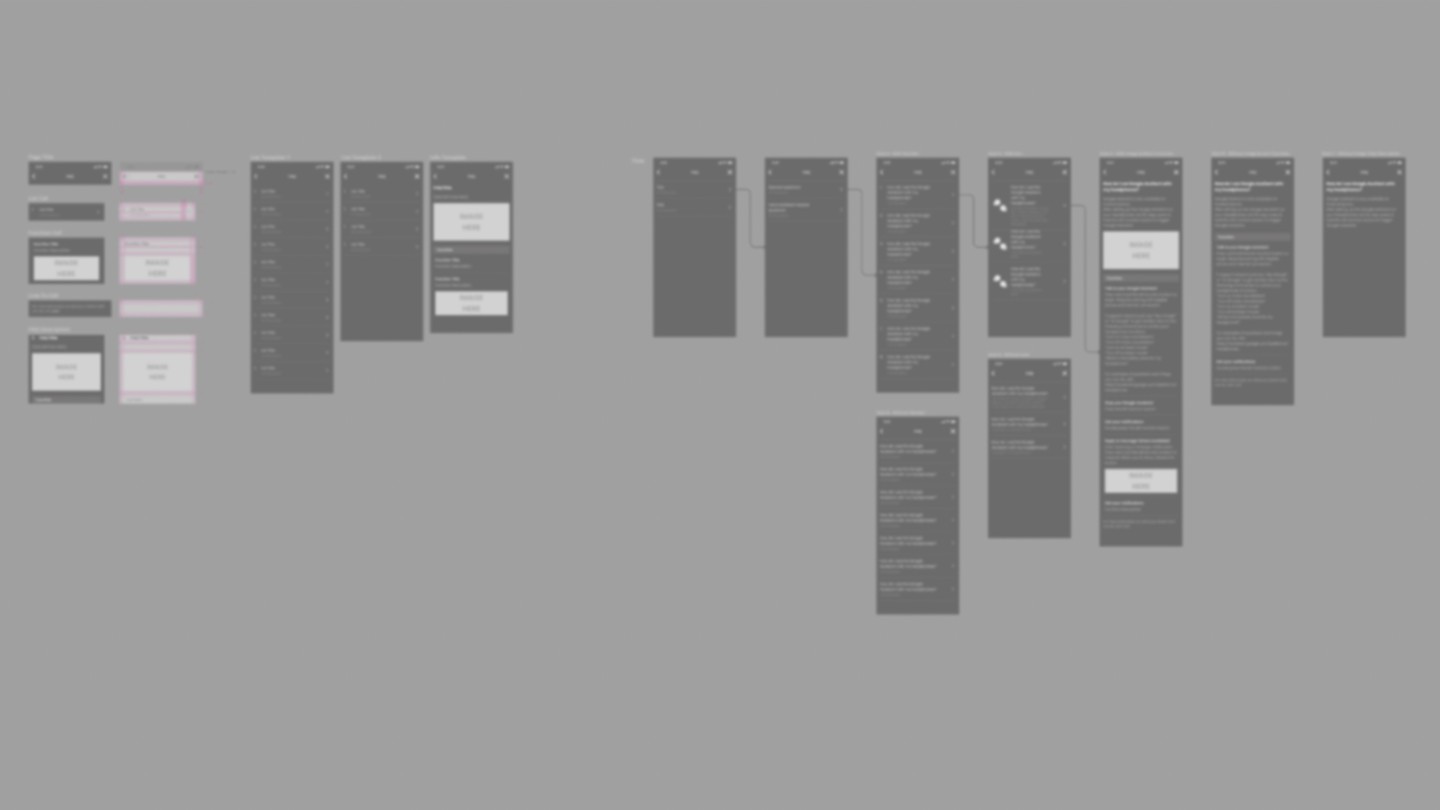
Beyond visual organization, the redesign defines clear logic between audio modules. Certain features are mutually exclusive or conditionally available based on system state. For example, enabling Spatial Sound automatically disables Hi-res Audio, preventing conflicting signal processing chains and reducing user confusion.
These dependencies are communicated through disabled states, contextual descriptions, and real-time UI feedback, ensuring that users understand why options become unavailable rather than perceiving them as errors.
Cross-Brand Visual Consistency
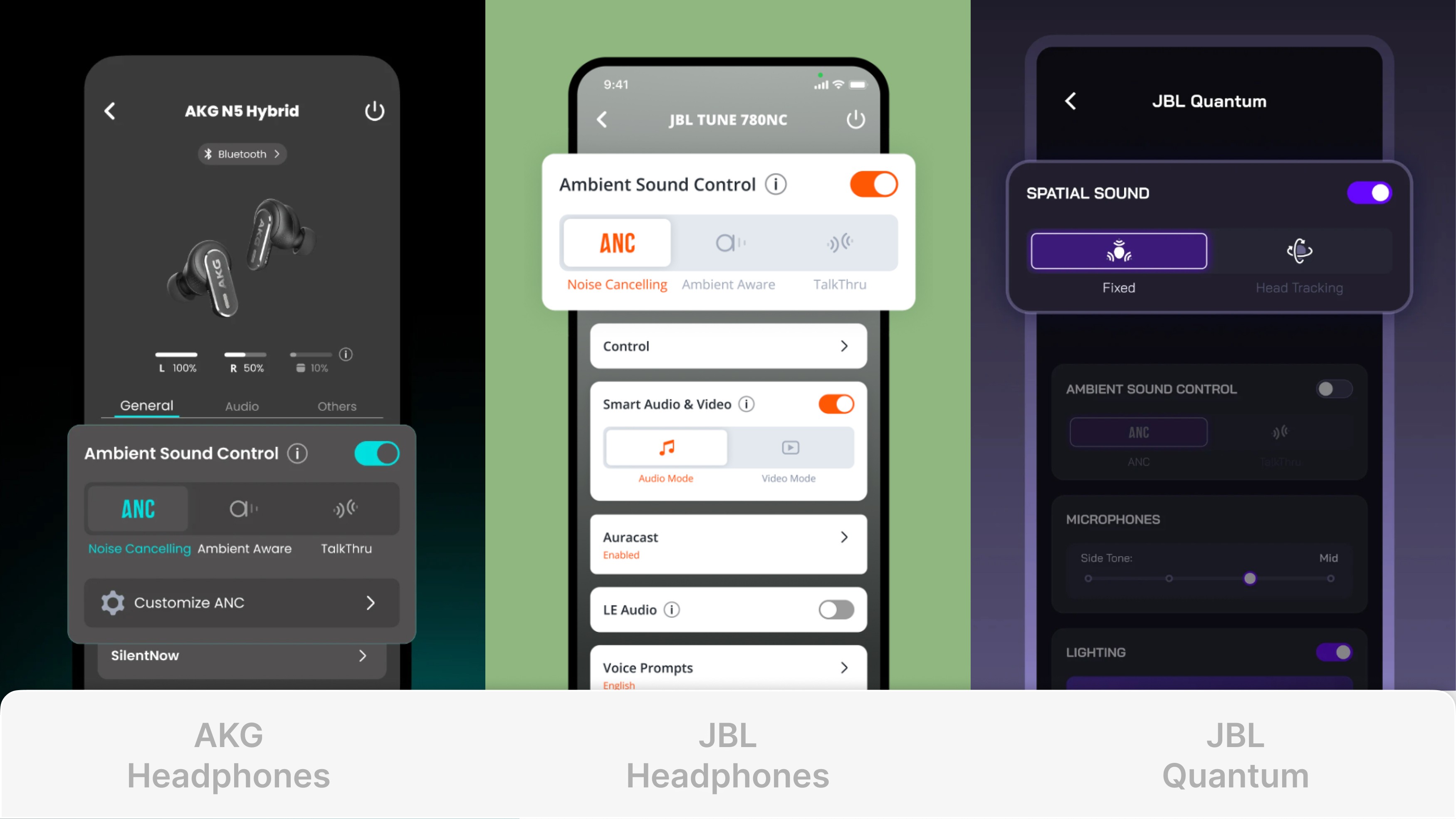
The redesigned structure and component patterns align with HARMAN’s broader design language across AKG, JBL, and Harman Kardon. This creates a consistent interaction experience for users who own multiple products, while allowing brand-specific visual expression at the surface level.