
Amber Beverage and Plant Shadow Still Life

Research Context

Generative sound systems are increasingly used in wellness, ambient media, and interactive installations, yet most rely on screen-based interfaces and technical controls that are difficult to interpret emotionally.

Prior work in soundscape design emphasizes perception and affect, while research in tangible user interfaces highlights the role of embodied interaction in reducing cognitive load. This project situates itself at the intersection of these domains, asking how physical interaction can make generative sound more legible, expressive, and emotionally grounded.


Research Context

Generative sound systems are increasingly used in wellness, ambient media, and interactive installations, yet most rely on screen-based interfaces and technical controls that are difficult to interpret emotionally.

Prior work in soundscape design emphasizes perception and affect, while research in tangible user interfaces highlights the role of embodied interaction in reducing cognitive load. This project situates itself at the intersection of these domains, asking how physical interaction can make generative sound more legible, expressive, and emotionally grounded.


Insight

Inspiration from Logic Pro’s XY Pad

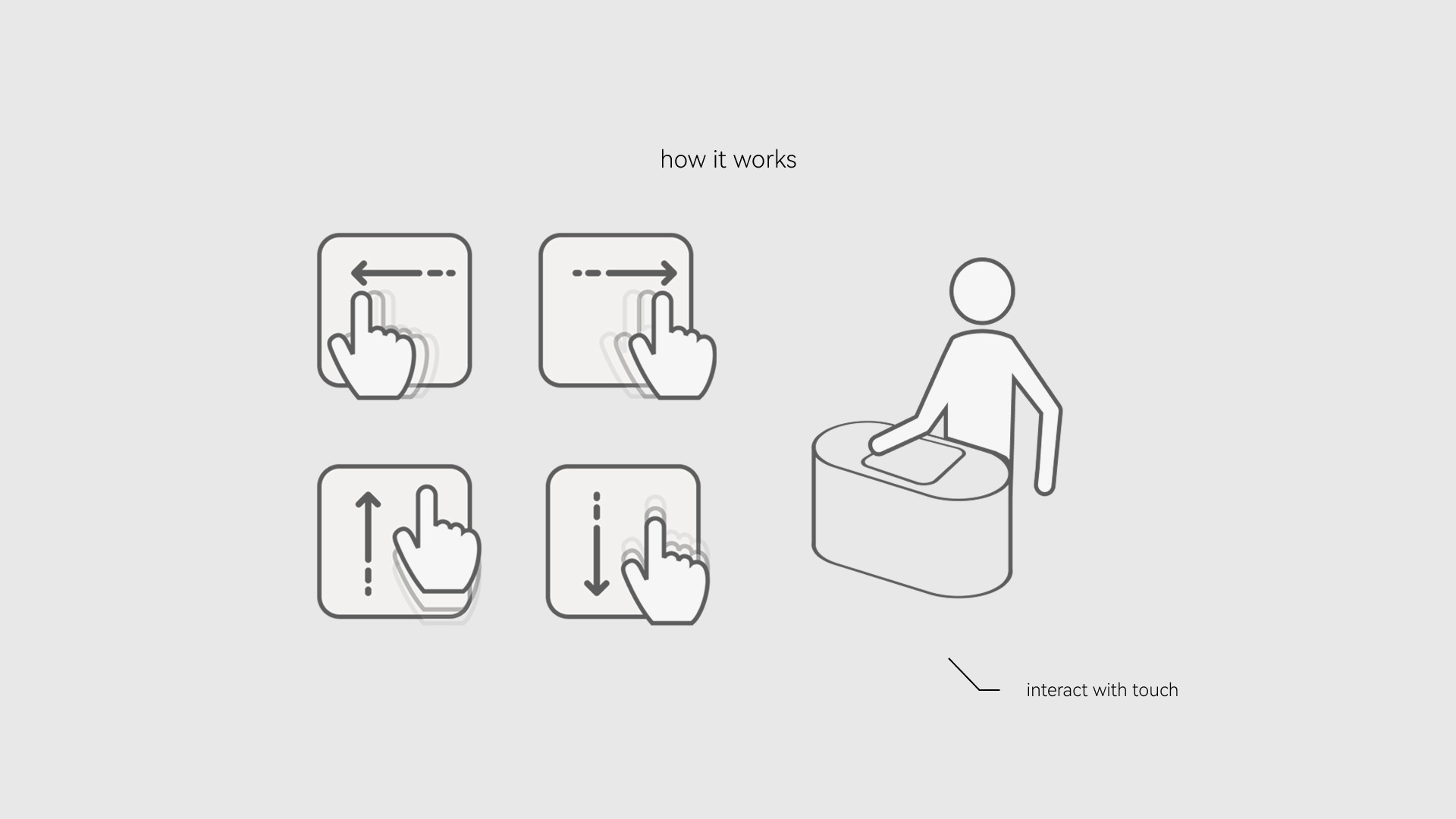
The interaction model of SoniBox was inspired by the XY Drum Pad in Logic Pro, where two-dimensional touch input is mapped to multiple sonic parameters simultaneously. Users could explore timbre and rhythm intuitively by moving their hands, without needing to understand the underlying synthesis logic.
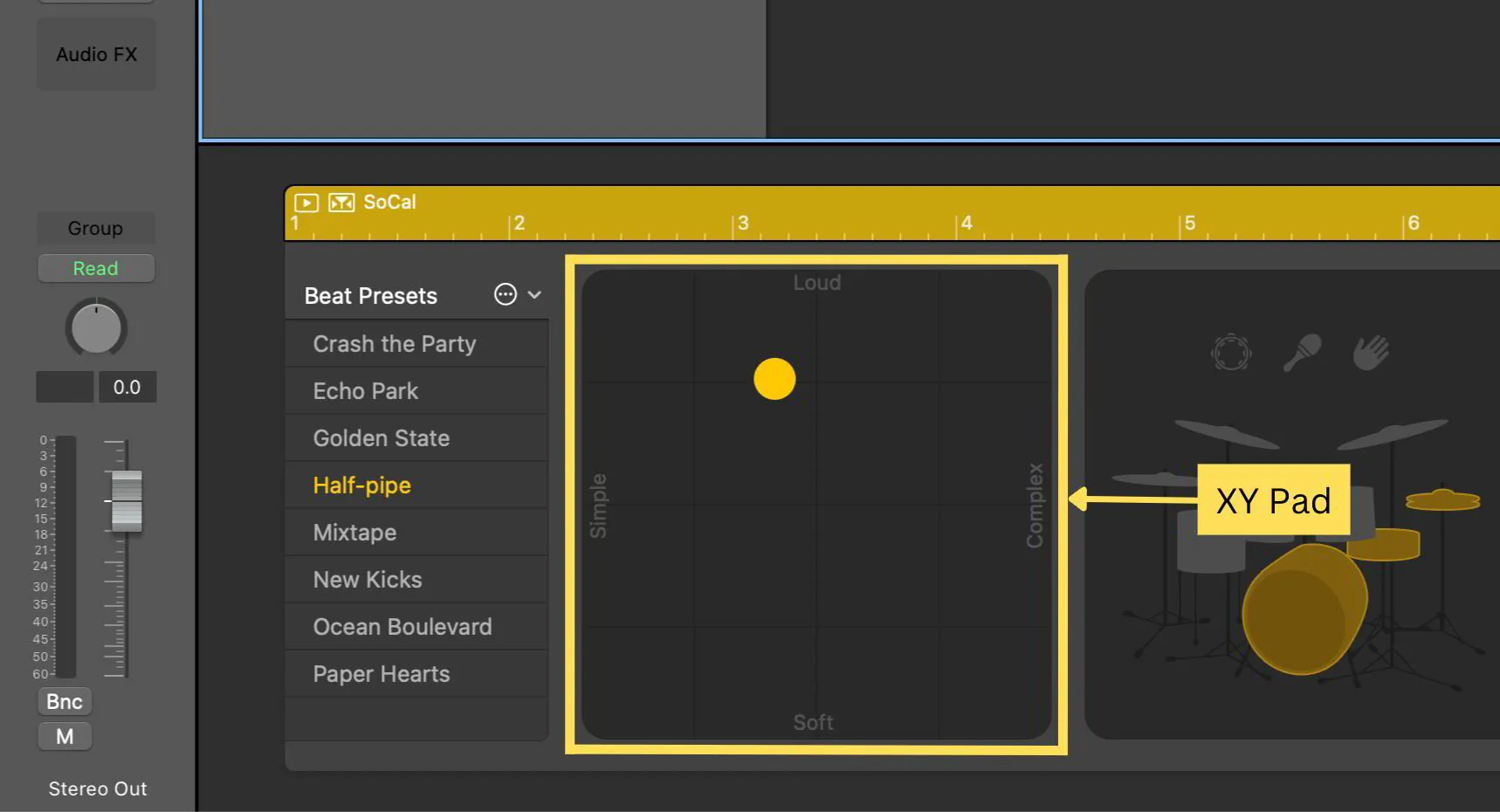
This interaction suggested that generative sound systems could benefit from a similar spatial metaphor. Instead of exposing parameters directly, mapping sound behavior to a continuous 2D space allows users to “navigate” sound emotionally and perceptually.

Interaction Design

The interaction design of SoniBox went through several iterations to explore how physical touch could meaningfully shape generative sound without becoming either too literal or too abstract. Early prototypes exposed low-level sound parameters directly, but user testing showed that participants struggled to associate technical controls with emotional outcomes. Small changes in input often led to unpredictable or imperceptible sonic differences, breaking the sense of agency.
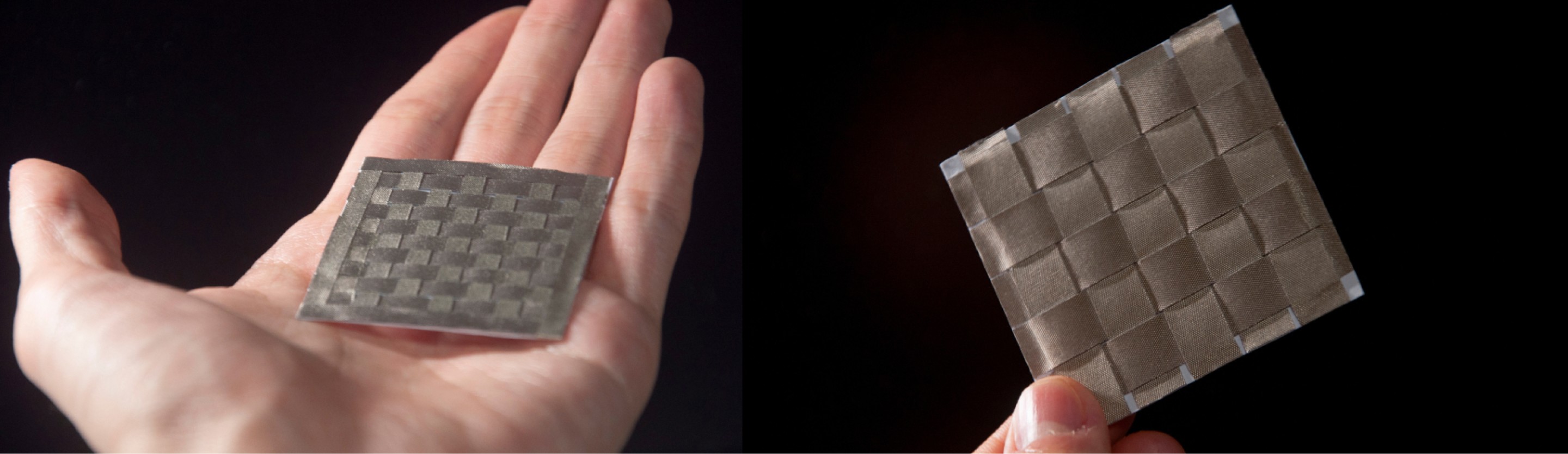
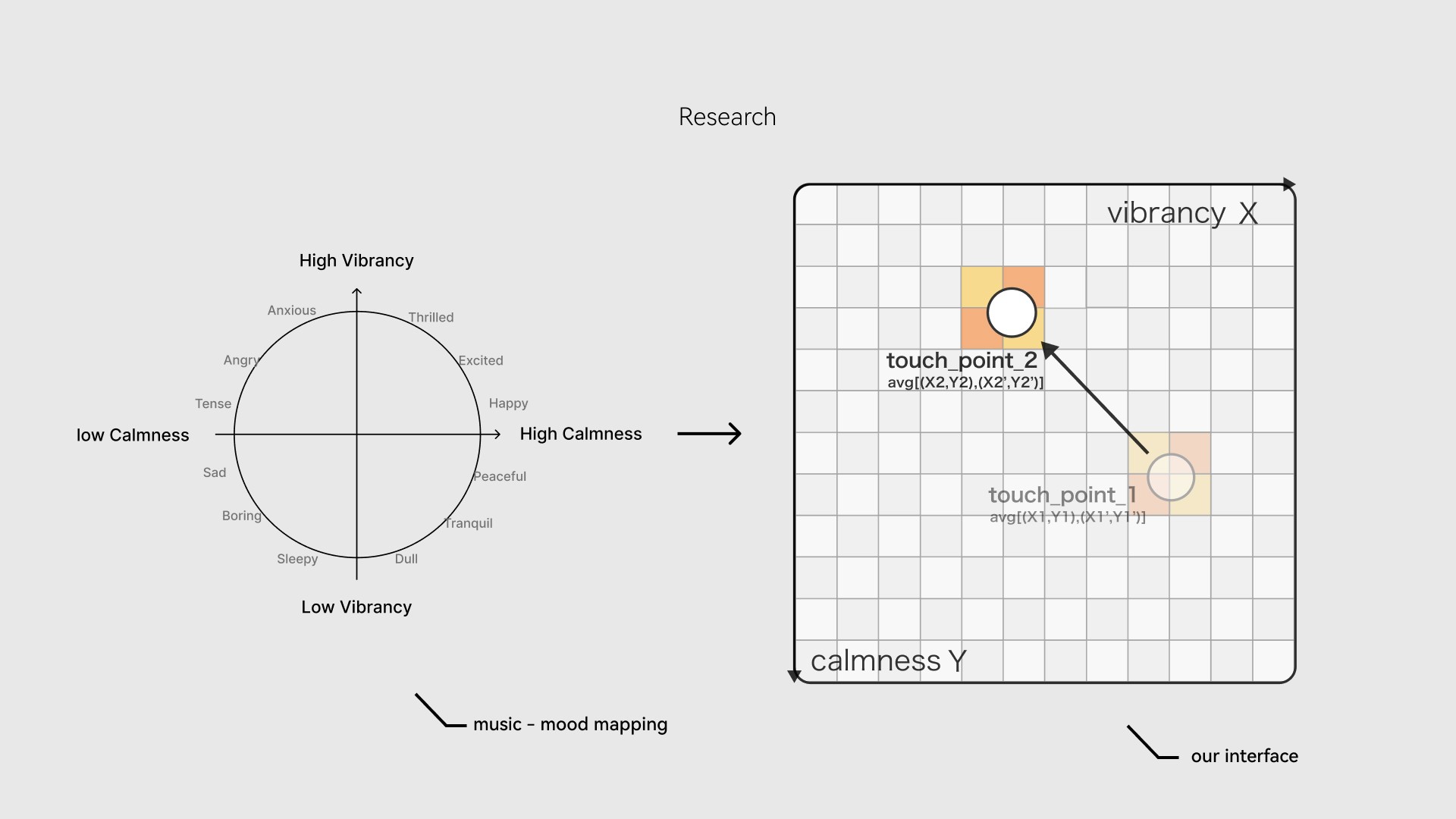
Through iteration, the interaction was reframed from parameter control to emotional navigation. Instead of adjusting synthesis values explicitly, touch position on the textile surface was mapped to higher-level affective dimensions: calmness and vibrancy. This shift reduced cognitive load and allowed users to explore sound through continuous movement rather than discrete actions.
System Design

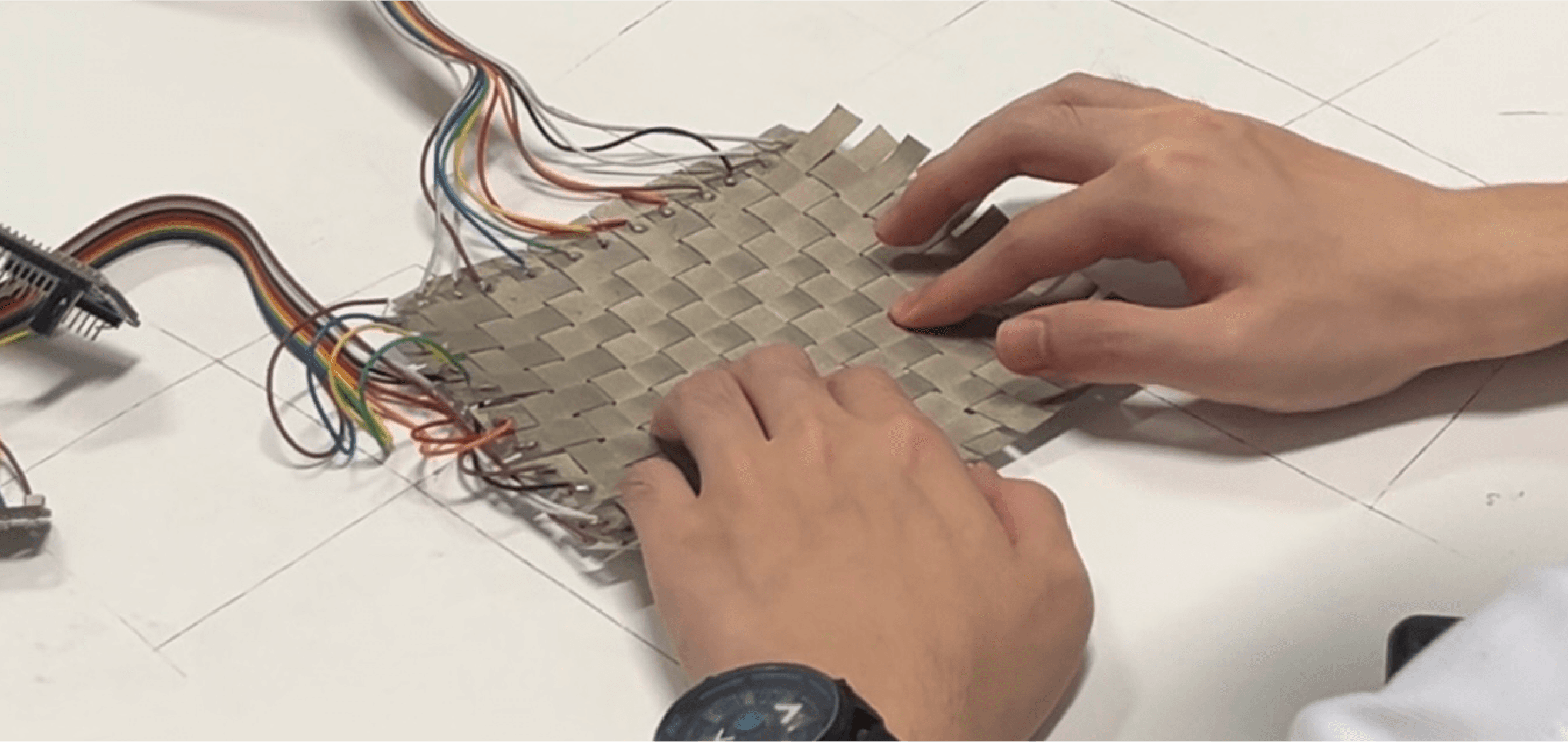
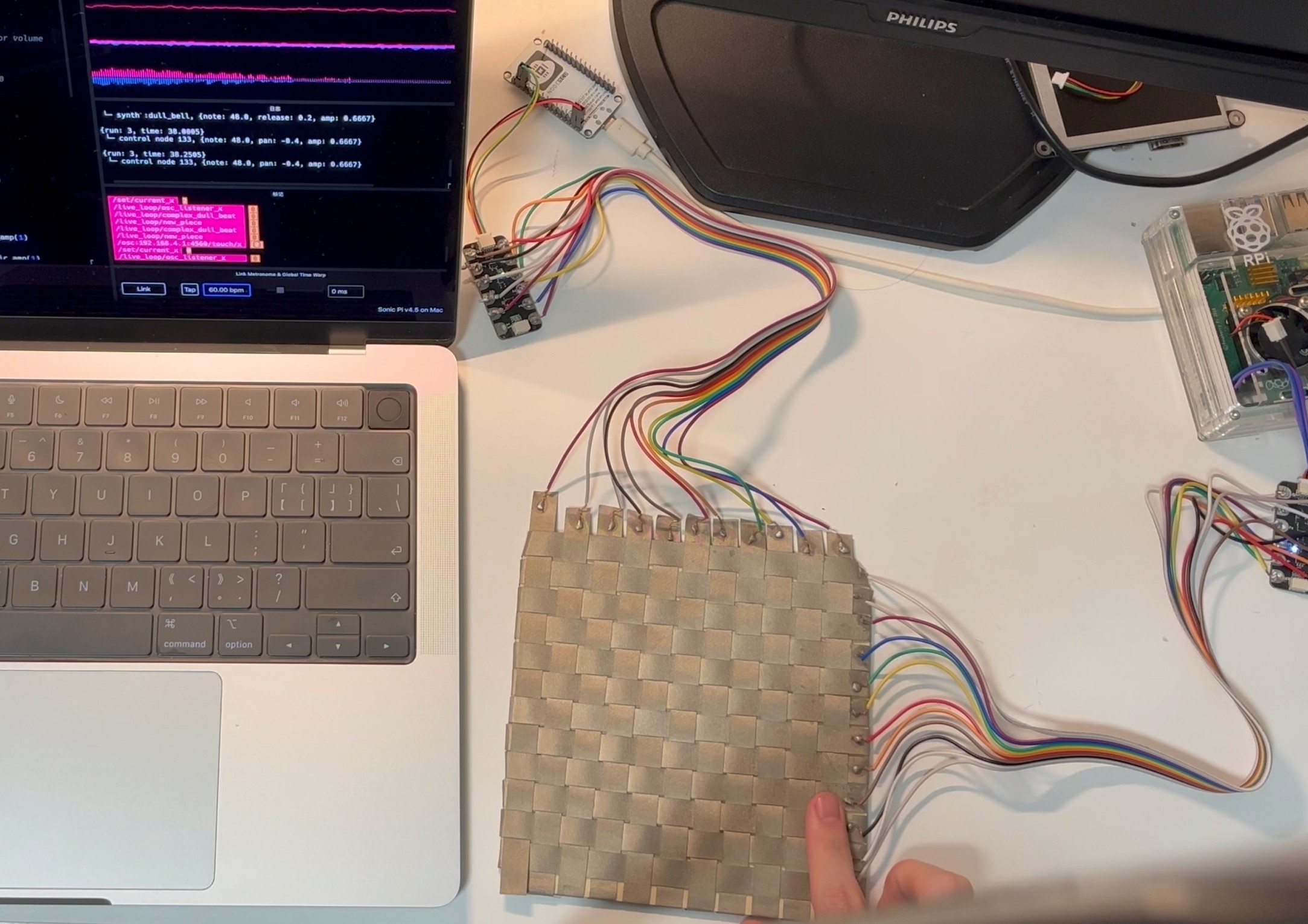
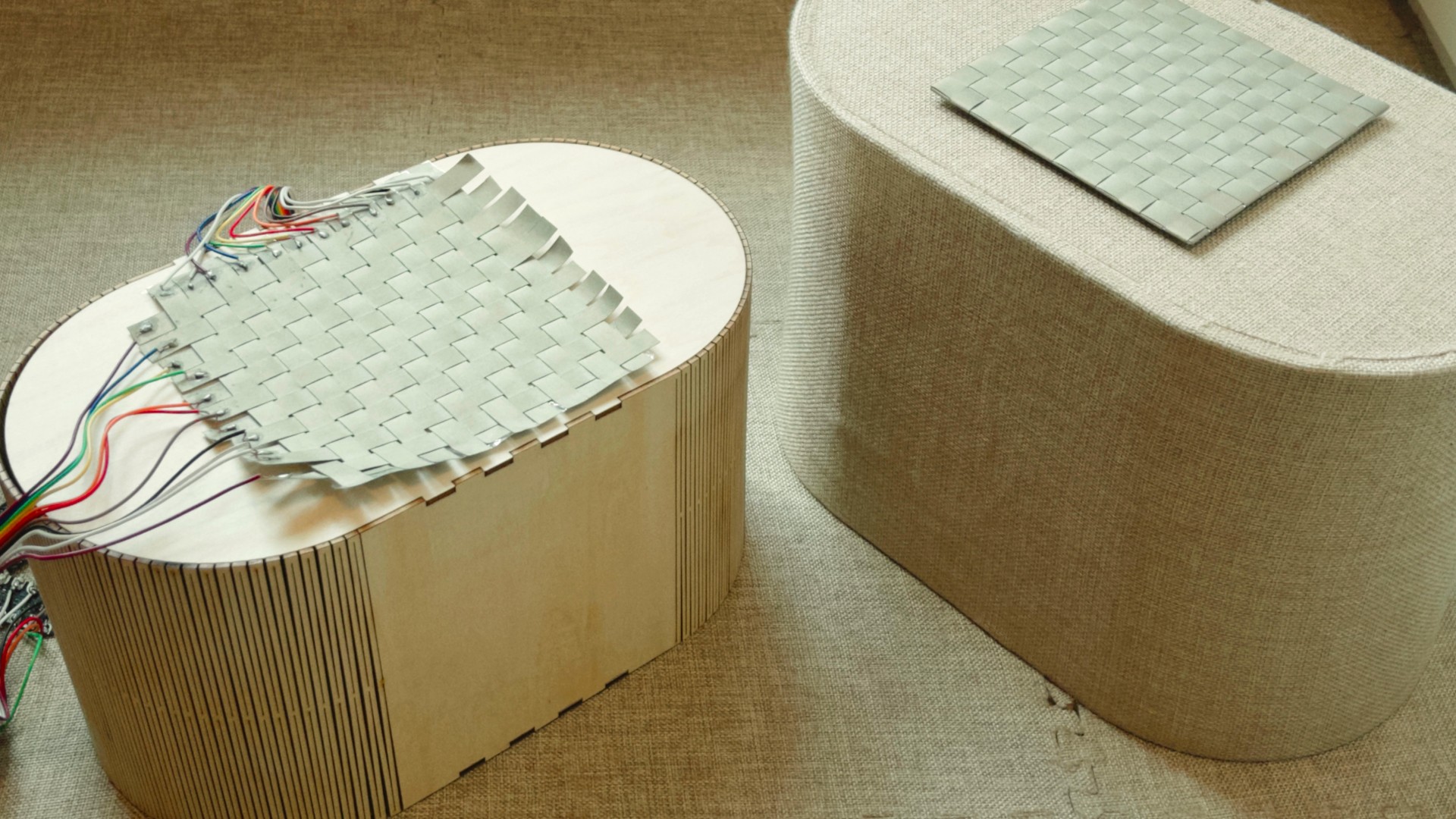
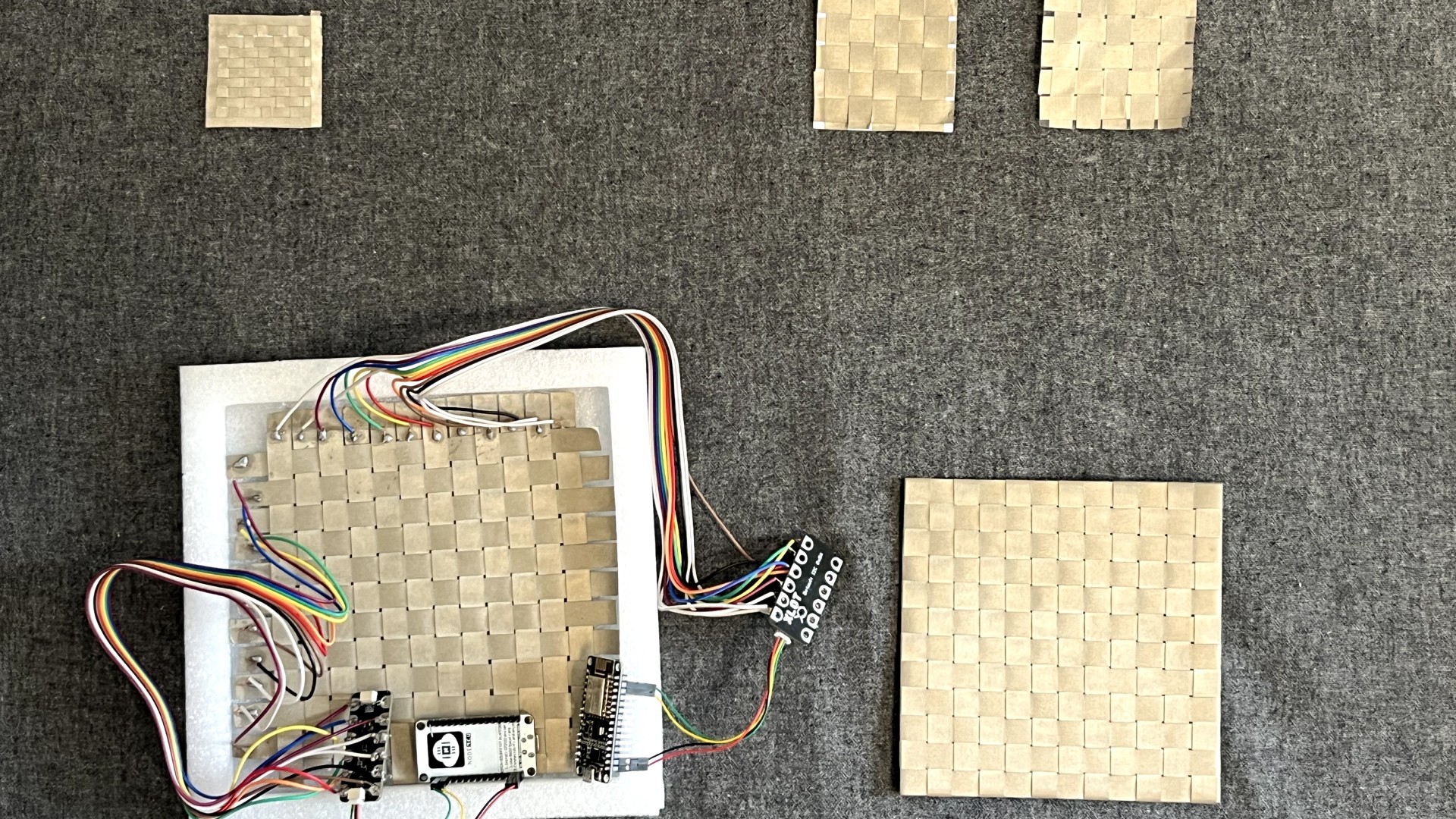
SoniBox is implemented as a distributed embedded system that separates interaction sensing from sound generation while maintaining real-time responsiveness. Touch input is captured through a textile-based x–y grid made of conductive fabric, with ESP microcontrollers continuously sampling touch location and pressure-related signals. This data is streamed to a Raspberry Pi via Open Sound Control (OSC), enabling low-latency, continuous communication between hardware and software layers.
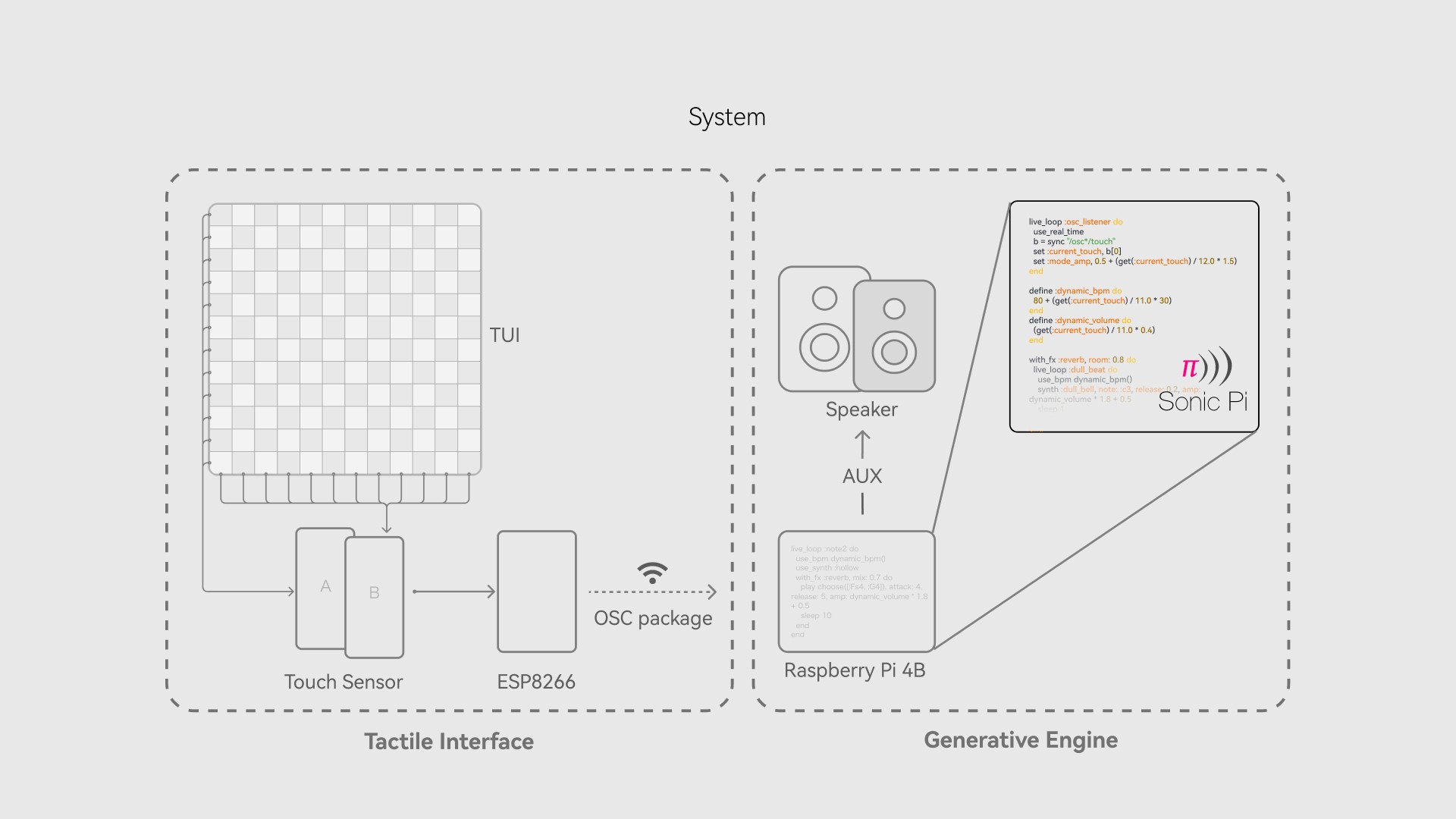
On the audio side, Sonic Pi is used as the generative sound engine, chosen for its ability to support live-coded, algorithmic sound synthesis with precise timing control. Incoming interaction data does not trigger discrete events, but instead modulates ongoing generative processes such as density, texture, and spectral balance. This approach avoids repetitive playback and allows the soundscape to evolve smoothly over time.
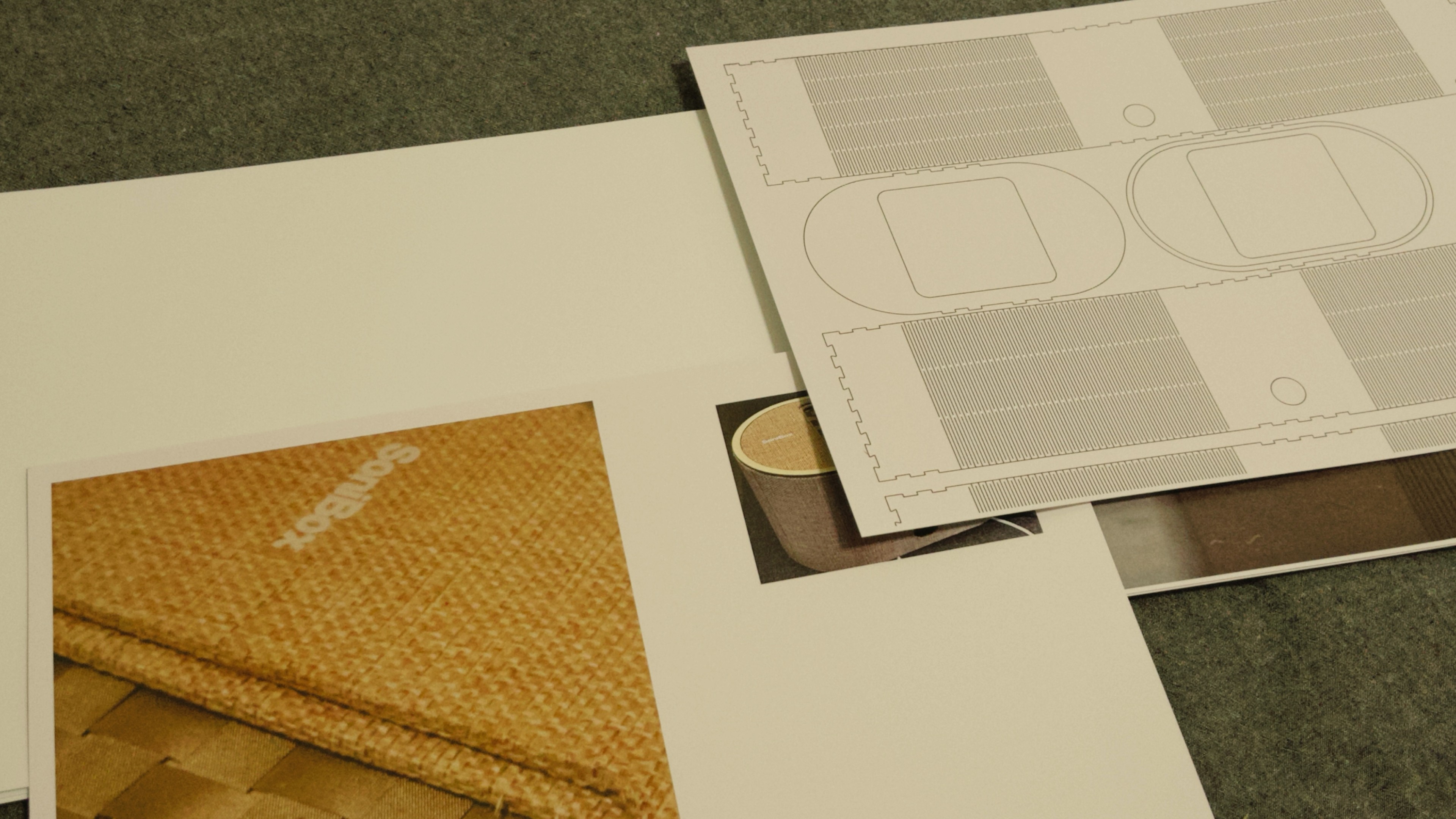
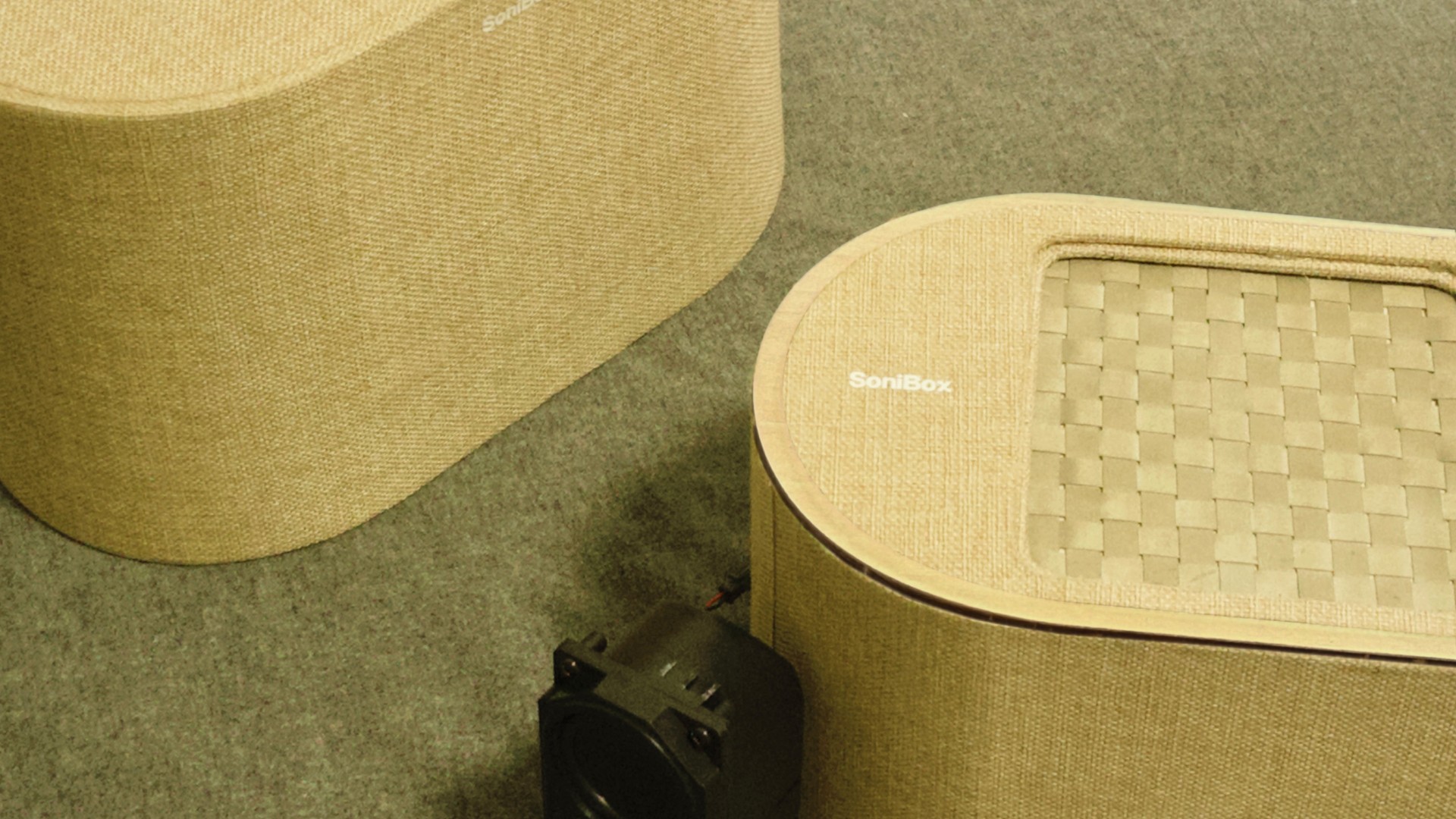
SoniBox

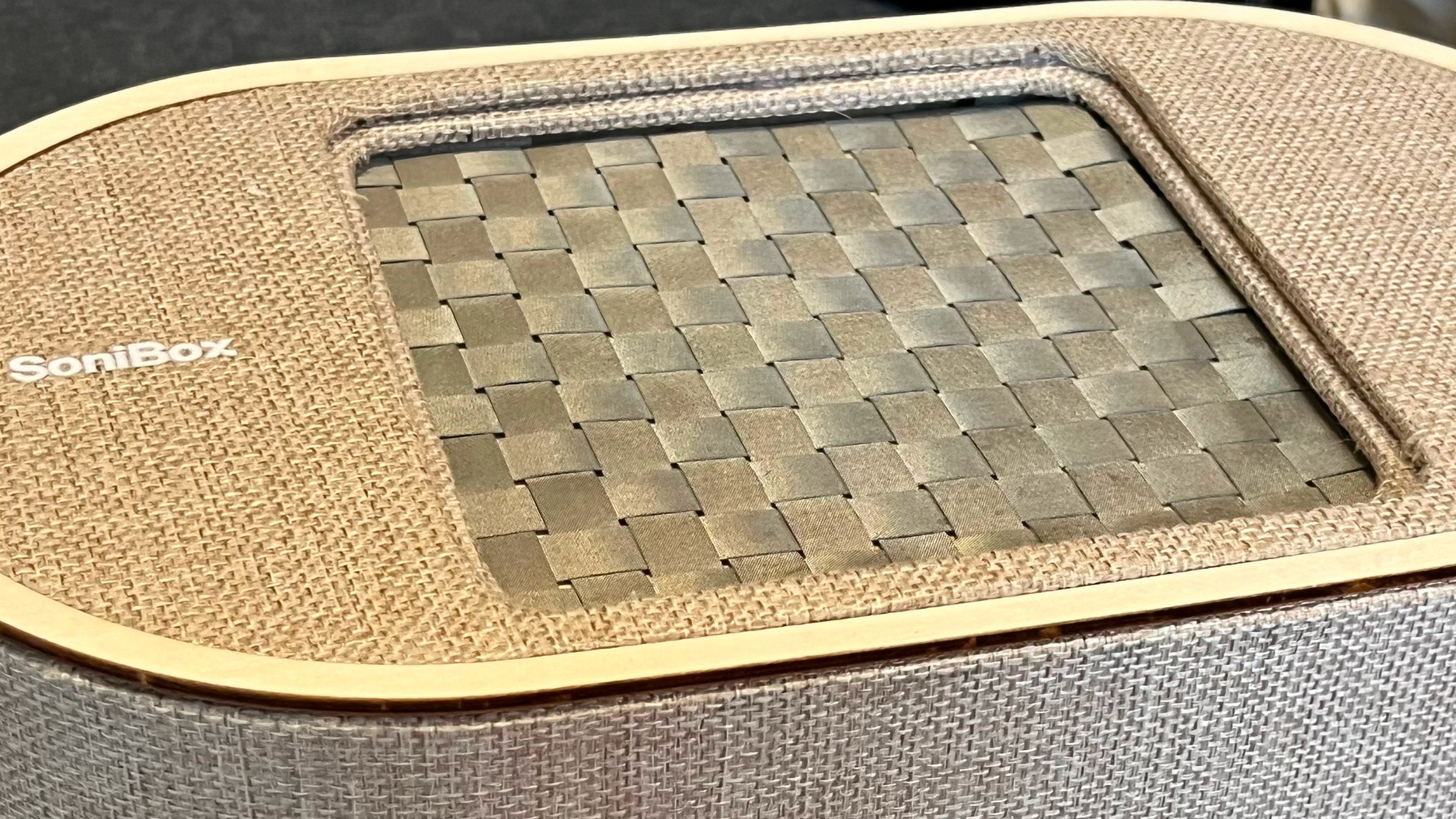
SoniBox is an embedded tangible user interface for controlling generative soundscapes through direct touch. The system maps physical interaction on a textile-based interface to emotional dimensions: calmness and vibrancy. It allows users to shape sound through embodied gestures rather than abstract parameters. A conductive fabric x–y grid senses touch via ESP microcontrollers, while a Raspberry Pi running Sonic Pi generates sound in real time, with communication handled through Open Sound Control.

Year

2024

Year

2024

Role

Creative Technology

Role

Creative Technology

Client

This is a personal project.

Client

This is a personal project.

Timeline

4 months

Timeline

4 months

SoniBox

SoniBox is an embedded tangible user interface for controlling generative soundscapes through direct touch. The system maps physical interaction on a textile-based interface to emotional dimensions: calmness and vibrancy. It allows users to shape sound through embodied gestures rather than abstract parameters. A conductive fabric x–y grid senses touch via ESP microcontrollers, while a Raspberry Pi running Sonic Pi generates sound in real time, with communication handled through Open Sound Control.

Year

2024

Role

Creative Technology

Client

This is a personal project.

Timeline

4 months